How to Build a Customer Support Community
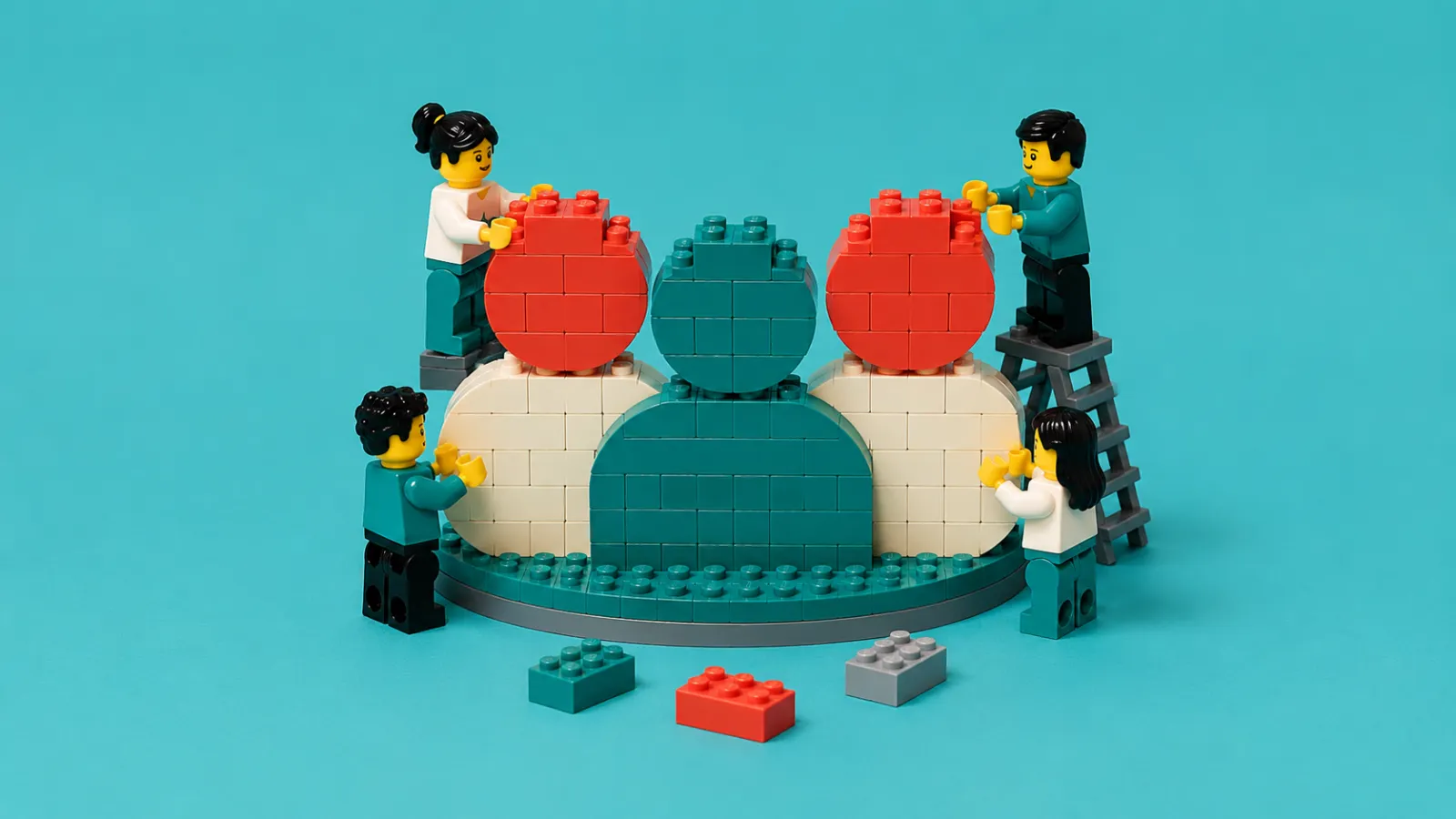
Every support team has one question it has answered too many times. How do I reset my API key. Why is my export empty. Where do I change the billing address. An agent types the reply — warm, correct, complete — and sends it into a private inbox where no one else will ever read it. An hour later the same question arrives from someone new, and the small ceremony begins again. A team of five can lose the better part of a day each week this way: not to hard problems, but to easy ones, asked on repeat, in private, forever.
A customer support community is the tool built to stop that leak. Get it right and every good answer becomes a public page that keeps working while your team sleeps — found on Google, read by hundreds, written once. Get it wrong and you get a ghost town: forty empty categories, three lonely posts, and a slow, false lesson that "our customers just aren't the community type." They almost always are. What fails is rarely the audience. It is the way the thing was built.
So build it the way that lasts. Here is how.
Start with the questions, not the categories
The most common way to kill a support community is to launch it looking impressive. Someone maps out a grand structure — Announcements, Feature Requests, General, Off-Topic, a board for every corner of the product — and opens the doors to a cathedral with no congregation. Empty rooms do not invite people in. They warn them off.
Do the opposite. Open your ticket queue and your chat logs and write down the questions your team actually answers every week. There are fewer than you think — usually twenty or thirty carry most of the volume. That list is not busywork. It is the real table of contents for your community, ranked by the only thing that matters: what people actually need.
Seed it before you open the doors
An empty community asks its first visitor to be brave — to post into silence and hope. Almost no one is that brave, and the few who are do not come back for the echo. So do not open with silence.
Before you announce anything, take your list and write the answers. Fifteen or twenty of your best, most-asked questions, posted as real, titled threads, in plain language, with the screenshots you would send a friend. Now the first person who arrives finds a place that already works. They came for one answer and stumble onto nine more. A seeded community feels alive on day one; an unseeded one feels like a mistake you will quietly delete in March.
Put it somewhere Google can see it
Here is the advantage a support community has that a Discord server, a Slack, or a private helpdesk never will: it is public, and it is searchable. This is the whole game. When something breaks, people do not open your website — they open Google. If the answer lives behind a login or halfway up a chat scroll, they will never find it, and they will land on a competitor or a five-year-old forum thread instead. If it lives on a public page on your own domain, it is waiting for them at the exact moment they need it.
That is why a support community is quietly one of the best marketing assets a company owns. Each answered question becomes a page that ranks, earns trust, and brings in the next customer who was searching for exactly that problem. It is also why where you build matters as much as whether. A community on your own domain, indexed and branded as yours, compounds in value; one rented inside someone else's app does not. It is the reason we built ComBase — a branded community you own, with search and SEO built in, live in an afternoon instead of a quarter.
Recruit your first regulars by name
Every living community rests on a small number of people who show up more than they have to. You already have them: the customer who files unusually good bug reports, the developer who answers questions in your chat for fun, the user whose name your team recognizes. Do not wait for them to discover the community. Write to them, by name, and ask. People say yes to a personal invitation and scroll straight past a banner.
And for the first few months, your own team has to be there — publicly, under real names, answering fast. A support community is not a way to stop doing support. It is a way to do it once, in the open, where the answer sticks. Self-service grows out of visible service, not instead of it.
Make being helpful feel like something
People help for reasons money cannot buy: to be useful, to be seen, to be right in public. Give those instincts something to land on. Let a question be marked solved, so whoever cracked it gets the credit. Show a little status — a badge, a rank, a leaderboard that is not grim. Reply "thank you, this helped," and mean it. Recognition is the only salary a volunteer earns, and it is astonishingly cheap to pay.
Feed the answers back into the product
A support community is also the clearest, cheapest research your company will ever run. A question asked fifty times is not a nuisance; it is a signal. It means a docs page is missing, a button is in the wrong place, or an error message is lying. Read the community the way an editor reads letters — for the pattern, not the single complaint — and route what you find to the people who can fix it. Then those questions stop being asked at all, and the community moves on to more interesting ones.
Measure deflection, not applause
It is easy to measure the flattering things: sign-ups, posts, page views. They feel like progress and mean almost nothing. The number that matters is deflection — the tickets that were never filed because the answer was already there. Watch it next to two others: time to first answer, and how often a search ends in a solved thread. When those move, your support costs fall and your customers get faster help at the same time. That is the real promise of community-led support, and unlike "engagement," it shows up on a budget line.
The real work is keeping it alive
You do not build a customer support community once and cut a ribbon. You tend it. For the first ninety days it feels like hosting a party where you know everyone and have to introduce them all. Keep seeding answers. Keep showing up. Keep thanking people. Then, somewhere around month three — if you have done the unglamorous parts — something shifts: a customer answers another customer before your team gets there, and does it well. That is the moment it stops being a channel and becomes a community, and starts giving back more than you put in.
Your best answers already exist. Right now they are locked inside closed tickets, read once and lost. A support community is simply the decision to give them a home where they can be found — by the next person with the same question, and the hundred after that.